

Emotional investing volatile markets often creates a dangerous cycle where fear and excitement drive decisions instead of logic and strategy. When prices swing rapidly, many investors react impulsively, which can lead to poor timing, unnecessary losses, and missed opportunities. Therefore, understanding how emotions influence investing behavior is essential for building long-term success and maintaining confidence during uncertain periods.
At its core, investing should be based on analysis, planning, and discipline. However, markets are influenced by human behavior, and emotions can quickly override rational thinking. As a result, even experienced investors sometimes fall into the trap of reacting emotionally rather than sticking to their strategy. This pattern becomes especially noticeable during periods of high volatility, when uncertainty amplifies every market movement.
How Emotions Influence Investment Decisions
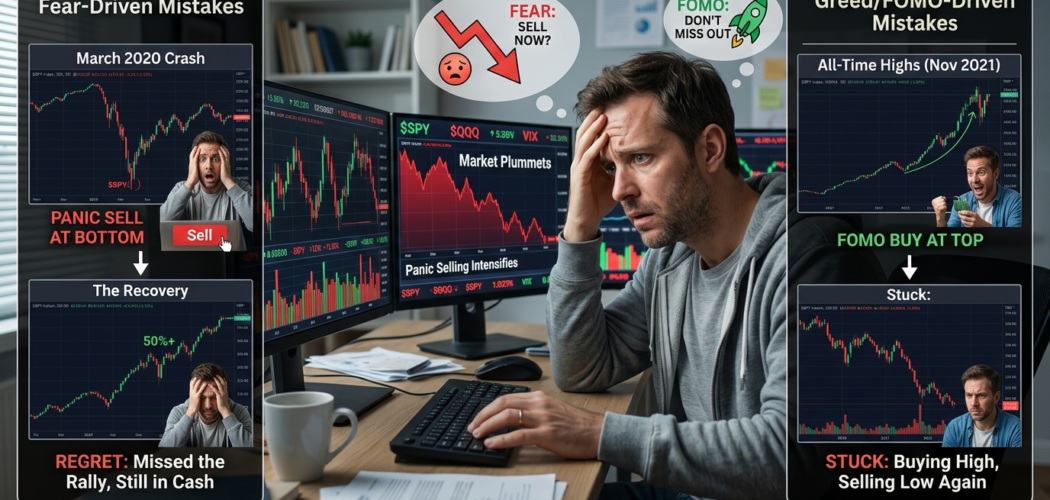
To understand why emotional investing volatile markets leads to poor outcomes, it is important to recognize the role of human psychology. Fear and greed are the two most powerful emotions in investing, and they often push individuals toward irrational actions. For example, fear may cause an investor to sell assets during a downturn, locking in losses that might have recovered over time.
On the other hand, greed can lead to chasing rising prices without proper analysis. When markets are booming, investors may buy assets at inflated prices, expecting continued growth. However, when the trend reverses, these decisions often result in losses. Therefore, emotions create a cycle of buying high and selling low, which directly harms long-term returns.
Additionally, herd behavior plays a significant role. Investors tend to follow the crowd, especially during uncertain times. This tendency can amplify market movements, making volatility even more intense. As a result, emotional reactions spread quickly, affecting a large number of participants.
The Impact Of Fear During Market Downturns
Fear is one of the main drivers behind emotional investing volatile markets, particularly during sudden declines. When prices drop sharply, investors often worry about losing their capital. This fear can lead to panic selling, even when the underlying fundamentals remain strong.
Moreover, negative news and media coverage can intensify these reactions. Constant exposure to alarming headlines may create a sense of urgency, pushing investors to act quickly. However, these decisions are often made without careful analysis, which increases the likelihood of mistakes.
In many cases, markets recover after downturns, but investors who sell at the bottom miss the rebound. Therefore, fear-driven decisions can have long-lasting consequences on portfolio performance. By recognizing this pattern, investors can begin to control their reactions and avoid unnecessary losses.
Overconfidence And The Illusion Of Control
While fear dominates during downturns, overconfidence often emerges during strong market performance. Emotional investing volatile markets is not only about panic but also about excessive optimism. When investments perform well, investors may believe they have a unique ability to predict market movements.
This confidence can lead to risky behavior, such as increasing exposure to volatile assets or ignoring diversification. As a result, portfolios become more vulnerable to sudden changes. When the market shifts, these positions can experience significant losses.
Furthermore, overconfidence can reduce the willingness to seek advice or conduct proper research. Investors may rely on intuition rather than data, which increases the likelihood of errors. Therefore, maintaining a balanced perspective is crucial for avoiding the pitfalls of emotional decision-making.
Short-Term Thinking Vs Long-Term Strategy
Another key issue with emotional investing volatile markets is the focus on short-term movements. Volatility often creates a sense of urgency, leading investors to prioritize immediate outcomes over long-term goals. However, this approach can undermine a well-planned strategy.
For example, reacting to daily price changes may result in frequent trading, which increases transaction costs and reduces overall returns. Additionally, short-term decisions often ignore the broader economic context, making them less reliable.
In contrast, a long-term perspective allows investors to ride out market fluctuations and benefit from overall growth trends. Therefore, maintaining focus on long-term objectives helps reduce the impact of emotional reactions and supports more consistent performance.
The Role Of Discipline And Planning
Discipline is essential for overcoming emotional investing volatile markets and making better decisions. A clear investment plan provides a framework that guides actions, even during periods of uncertainty. By defining goals, risk tolerance, and asset allocation, investors can reduce the influence of emotions.
Moreover, having predetermined rules for buying and selling can prevent impulsive decisions. For instance, setting stop-loss levels or rebalancing schedules ensures that actions are based on strategy rather than emotion. As a result, investors can maintain consistency and avoid reacting to every market movement.
Additionally, regular portfolio reviews help reinforce discipline. By evaluating performance and making adjustments based on data, investors can stay aligned with their objectives. This structured approach reduces the likelihood of emotional interference.
How Diversification Helps Reduce Emotional Reactions
Diversification plays a significant role in managing emotional investing volatile markets. By spreading investments across different asset classes, investors can reduce the impact of volatility on their portfolios. This balance creates a more stable performance, which helps lower stress and anxiety.
When one asset declines, others may perform better, offsetting losses. As a result, the overall portfolio remains more stable, reducing the temptation to make drastic changes. Therefore, diversification not only improves financial outcomes but also supports emotional resilience.
Additionally, a diversified portfolio encourages a broader perspective. Instead of focusing on individual assets, investors can evaluate overall performance. This shift in focus helps maintain confidence and reduces the influence of short-term fluctuations.
Practical Steps To Avoid Emotional Investing
Avoiding emotional investing volatile markets requires conscious effort and practical strategies. One effective approach is to limit exposure to constant market updates. While staying informed is important, excessive monitoring can increase stress and lead to impulsive decisions.
Another strategy is to use automation, such as setting up regular investment contributions. This approach removes the need to time the market and ensures consistent progress toward financial goals. As a result, investors can avoid the pressure of making frequent decisions.
Additionally, seeking professional advice can provide valuable perspective. Financial advisors offer objective insights that help counter emotional biases. Therefore, consulting with experts can improve decision-making and enhance overall strategy.
Building Confidence Through Knowledge And Experience
Education and experience are powerful tools for overcoming emotional investing volatile markets. By understanding how markets function, investors can interpret volatility more accurately. This knowledge reduces uncertainty and builds confidence in their decisions.
Moreover, experience teaches valuable lessons about market cycles. Over time, investors learn that volatility is a natural part of investing rather than a threat. As a result, they become more comfortable with fluctuations and less likely to react emotionally.
Continuous learning also helps investors adapt to changing conditions. By staying informed about economic trends and investment strategies, they can make more informed decisions. Therefore, building knowledge is an essential step toward long-term success.
Conclusion
Emotional investing volatile markets often leads to poor decisions because it replaces logic with fear, greed, and impulsive behavior. While market fluctuations are unavoidable, the way investors respond to them determines their outcomes. By understanding the psychological factors at play and implementing disciplined strategies, investors can reduce emotional reactions and improve their performance.
Ultimately, successful investing requires patience, planning, and a long-term perspective. By focusing on these principles, investors can navigate volatility with confidence and avoid the common pitfalls of emotional decision-making. As a result, they position themselves for more consistent and sustainable growth over time.
FAQ
- Why do emotions affect investment decisions?
Emotions influence behavior, often leading to impulsive actions like panic selling or chasing trends. - How can I stay calm during market volatility?
Maintaining a long-term plan and avoiding constant market monitoring can help reduce stress. - Is it normal to feel anxious when markets drop?
Yes, but acting on that anxiety without a strategy can lead to poor financial decisions. - Can experience reduce emotional investing?
Yes, experience helps investors understand market cycles and respond more rationally. - What is the best way to avoid impulsive trades?
Setting clear rules and using automated strategies can help prevent emotional reactions.