

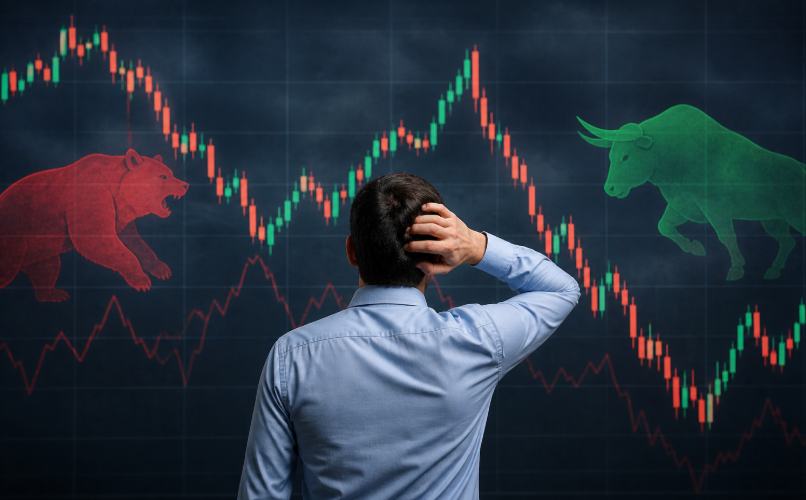
The fear of market volatility is one of the most powerful emotional forces that shapes investor behavior. While markets naturally rise and fall, many investors struggle to remain calm during sudden price swings. As a result, fear often leads to impulsive decisions, missed opportunities, and long-term setbacks. Understanding what drives this fear can help investors stay grounded and make smarter choices even when markets become unpredictable.
At its core, the fear of market volatility is tied to uncertainty. Investors do not like unpredictability, especially when their money is at risk. When prices fluctuate rapidly, it becomes difficult to assess whether the market is correcting itself or heading toward a deeper decline. Therefore, the emotional response often overrides logical thinking, making fear a central factor in financial decision-making.
Why Investors React Emotionally to Market Swings
Human psychology plays a significant role in how investors perceive risk. The brain is wired to avoid loss, which makes downturns feel more painful than gains feel rewarding. Because of this, the fear of market volatility can trigger strong emotional reactions even during minor corrections.
Loss aversion is one of the key drivers behind this behavior. Investors tend to focus more on potential losses than potential gains, which amplifies anxiety during market drops. As prices fall, the fear of losing more money increases, leading to panic selling. Consequently, this reaction often locks in losses instead of allowing time for recovery.
Moreover, herd behavior adds to the problem. When investors see others selling, they assume it is the right decision and follow suit. This collective action can accelerate market declines and increase volatility. Therefore, the fear of market volatility becomes self-reinforcing, as fear-driven decisions contribute to further instability.
The Role of Uncertainty in Market Fear
Uncertainty is a major contributor to investor anxiety. Markets react to countless variables, including economic data, interest rates, and global events. Because these factors are constantly changing, predicting market movements becomes extremely challenging. As a result, the fear of market volatility grows when investors feel they lack control over outcomes.
Information overload can also increase uncertainty. With constant news updates and expert opinions, investors may struggle to determine what truly matters. This confusion can lead to hesitation or overreaction, both of which can negatively impact investment performance.
Additionally, unexpected events tend to amplify fear. Sudden market shocks, such as economic crises or geopolitical tensions, create an environment where investors feel unprepared. In these situations, the fear of market volatility can become overwhelming, leading to decisions based on emotion rather than strategy.
How Past Experiences Shape Investor Behavior
Past experiences play a crucial role in shaping how investors respond to volatility. Those who have experienced significant losses may become more cautious, even when opportunities arise. Therefore, the fear of market volatility can be deeply rooted in personal history.
For example, investors who lived through major financial crises often carry lasting memories of those events. These experiences can influence their decisions, causing them to avoid risk even when conditions improve. While caution can be beneficial, excessive fear may prevent them from taking advantage of market growth.
On the other hand, investors who have successfully navigated downturns may feel more confident. Their experience helps them understand that volatility is temporary and often followed by recovery. As a result, they are less likely to be overwhelmed by the fear of market volatility.
The Impact of Media and Market Narratives
Media coverage plays a significant role in shaping investor sentiment. Negative headlines about market declines can create a sense of urgency and fear. Even small market movements can appear more dramatic when presented in a sensational way. Consequently, the fear of market volatility can intensify due to constant exposure to alarming news.
Social media further amplifies this effect. Opinions and predictions spread quickly, often without proper context or analysis. Investors may feel pressured to act based on what others are saying, rather than relying on their own strategies. This environment makes it more difficult to stay calm during volatile periods.
Furthermore, narratives about economic downturns can influence expectations. When investors believe that markets will continue to fall, they are more likely to act defensively. This mindset can contribute to ongoing volatility, reinforcing the cycle of fear and reaction.
Strategies to Manage Fear Effectively
Managing emotions is essential for navigating volatile markets. One of the most effective strategies is developing a clear investment plan. When investors know their goals and risk tolerance, they are less likely to be influenced by short-term fluctuations. Therefore, a structured approach can reduce the fear of market volatility.
Diversification is another important tool. By spreading investments across different asset classes, investors can reduce the impact of any single market movement. This balance helps create a sense of stability, even during uncertain times.
Additionally, focusing on long-term objectives can shift attention away from daily price changes. While short-term volatility may seem significant, it often has little impact on long-term performance. As a result, maintaining a broader perspective can help investors stay calm and avoid emotional decisions.
Building Confidence Through Knowledge
Education plays a key role in reducing fear. Investors who understand market dynamics are better equipped to handle volatility. They recognize that fluctuations are a normal part of the investment process, rather than a sign of failure. Therefore, increasing knowledge can help minimize the fear of market volatility.
Analyzing historical data can also provide reassurance. Markets have experienced numerous downturns, yet they have consistently recovered over time. This pattern highlights the importance of patience and resilience.
Moreover, learning about risk management techniques can improve confidence. Tools such as asset allocation and rebalancing allow investors to adjust their portfolios without reacting impulsively. By using these strategies, they can navigate uncertainty more effectively.
The Importance of Discipline in Volatile Markets
Discipline is one of the most valuable traits an investor can develop. Staying committed to a plan, even during challenging times, can lead to better outcomes. However, maintaining discipline is not always easy when emotions are involved.
Setting predefined rules can help. For example, deciding in advance when to buy or sell reduces the influence of fear. This approach allows investors to act based on strategy rather than emotion.
Consistency also matters. Regular investing, regardless of market conditions, can reduce the impact of volatility over time. By following a disciplined approach, investors can overcome the fear of market volatility and focus on long-term growth.
Turning Fear Into Opportunity
While fear can be overwhelming, it can also create opportunities. Market downturns often lead to lower prices, which can benefit long-term investors. Those who remain calm and patient may find attractive entry points during periods of uncertainty.
Reframing perspective is essential. Instead of viewing volatility as a threat, investors can see it as a natural part of the market cycle. This shift in mindset can reduce anxiety and encourage more thoughtful decision-making.
Furthermore, having a plan in place allows investors to act when opportunities arise. Rather than hesitating, they can take advantage of favorable conditions. By doing so, they turn the fear of market volatility into a tool for growth.
Conclusion
The fear of market volatility is a natural response to uncertainty, but it does not have to control your decisions. By understanding the psychological factors behind this fear, investors can develop strategies to manage it effectively. Knowledge, discipline, and a long-term perspective are key to navigating volatile markets with confidence.
Although market fluctuations can be unsettling, they also present opportunities for those who remain focused. By staying informed and maintaining a clear plan, investors can overcome fear and achieve their financial goals. Ultimately, success comes from balancing emotion with strategy and embracing the realities of the market.
FAQ
1. Why do investors feel anxious during market fluctuations?
Investors often feel anxious due to uncertainty and the fear of losing money during sudden price changes.
2. Can emotional decisions harm investment performance?
Yes, emotional reactions like panic selling can lead to losses and missed opportunities over time.
3. How can I stay calm during volatile market periods?
Focus on long-term goals, diversify your portfolio, and avoid reacting to short-term market noise.
4. Does experience reduce investment fear?
Yes, experienced investors often handle volatility better because they understand market cycles.
5. Is market volatility always negative?
No, volatility can create opportunities to buy assets at lower prices and improve long-term returns.