

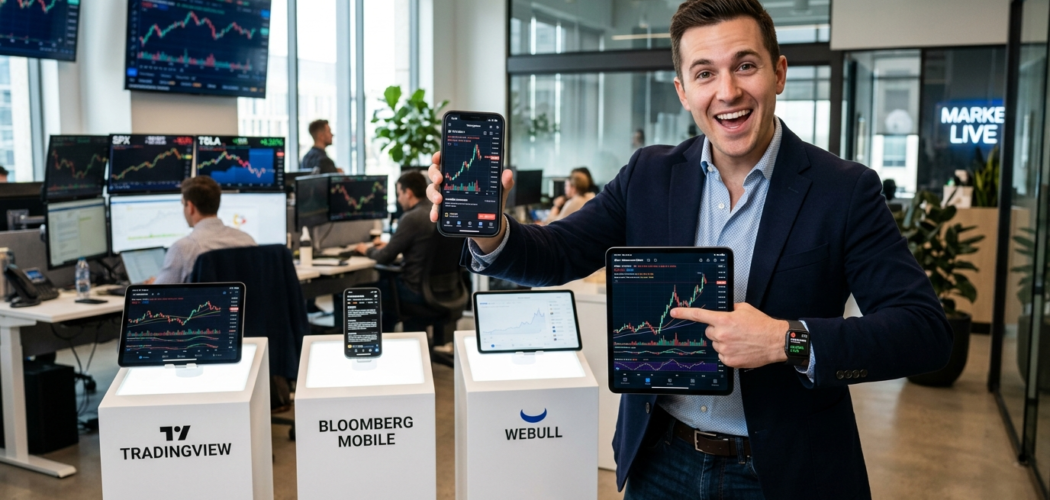
Understanding how markets move is essential for any investor, and that is where market volatility tracking tools come into play. These tools provide real-time insights into price swings, helping traders and long-term investors make informed decisions. While markets can feel unpredictable, the right tools allow you to identify patterns, measure risk, and respond strategically rather than emotionally.
In today’s digital landscape, access to data has never been easier. However, not all platforms deliver the same level of accuracy or usability. Therefore, choosing the right set of market volatility tracking tools can make a significant difference in how you analyze opportunities and manage risk. Whether you trade stocks, commodities, or cryptocurrencies, these tools serve as your foundation for understanding market behavior.
Why Tracking Volatility Matters More Than Ever
Market volatility reflects how much prices move within a specific period, and it often signals uncertainty or opportunity. When volatility rises, prices tend to fluctuate more rapidly, which can create both risk and potential profit. Therefore, investors rely on market volatility tracking tools to interpret these movements and adjust their strategies accordingly.
Moreover, volatility is not inherently negative. In fact, experienced traders often seek it because it creates chances for gains. However, without proper tracking, these opportunities can quickly turn into losses. That is why using reliable tools helps you stay ahead of sudden changes and avoid reacting too late.
Additionally, global events, economic reports, and interest rate changes can all trigger volatility. Because of this, having access to real-time data becomes essential. By using effective tracking systems, you can better understand how external factors influence price movements across different markets.
Key Features To Look For In A Tracking Tool
Not all market volatility tracking tools are created equal, so it is important to know what features truly matter. First, real-time data is crucial because delayed information can lead to missed opportunities. Accurate and fast updates allow you to react immediately when the market shifts.
Another important feature is customizable indicators. Many tools offer technical analysis features such as moving averages, Bollinger Bands, and volatility indexes. These indicators help you interpret trends and identify potential entry or exit points. Therefore, tools that provide flexibility in customization are often more valuable.
Ease of use also plays a significant role. Even the most advanced tool becomes ineffective if it is difficult to navigate. A clean interface ensures that you can quickly access the data you need without confusion. Furthermore, integration with other platforms, such as trading apps or financial news feeds, adds another layer of convenience.
Finally, historical data analysis is essential for understanding long-term trends. By reviewing past volatility patterns, you can make more informed predictions about future movements. As a result, tools that combine real-time insights with historical context offer a more complete picture.
Top Platforms For Monitoring Price Movements
Several platforms stand out when it comes to market volatility tracking tools, each offering unique advantages. TradingView is one of the most popular choices because of its powerful charting capabilities and user-friendly interface. It allows users to apply multiple indicators and analyze trends across various asset classes.
Another widely used platform is Bloomberg Terminal, which provides comprehensive data and professional-grade analytics. While it comes at a higher cost, it delivers unmatched depth in financial information. Therefore, it is often preferred by institutional investors and analysts.
For those seeking a more accessible option, Yahoo Finance offers reliable tracking features along with news updates. Although it is simpler than premium platforms, it still provides valuable insights into market trends. Additionally, MetaTrader platforms are commonly used by forex traders due to their advanced technical tools and automation capabilities.
Each of these platforms serves different needs, so the best choice depends on your experience level and investment goals. However, all of them qualify as effective market volatility tracking tools because they help you monitor and interpret price changes efficiently.
Using Volatility Indexes And Indicators
Volatility indexes play a crucial role in understanding market conditions, and they are often integrated into market volatility tracking tools. The VIX, for example, measures expected volatility in the stock market and is widely known as the “fear index.” When the VIX rises, it typically signals increased uncertainty among investors.
In addition to indexes, technical indicators provide valuable insights. Bollinger Bands, for instance, expand and contract based on volatility levels. When the bands widen, it indicates higher volatility, while narrower bands suggest calmer conditions. Therefore, combining these indicators with tracking tools enhances your ability to read the market.
Another useful indicator is the Average True Range (ATR), which measures the degree of price movement over time. By using ATR alongside other metrics, you can gauge how volatile a particular asset is. As a result, these indicators help you refine your strategy and make more calculated decisions.
Real-Time Alerts And Automation Advantages
One of the most powerful features of modern market volatility tracking tools is the ability to set real-time alerts. These alerts notify you when specific price levels or volatility thresholds are reached. Therefore, you do not need to constantly monitor the market, which saves time and reduces stress.
Automation takes this a step further by executing trades based on predefined conditions. For example, you can set a system to buy or sell when volatility reaches a certain level. While this approach requires careful planning, it eliminates emotional decision-making and improves consistency.
Moreover, automated systems can analyze multiple markets simultaneously, which would be difficult to do manually. As a result, they provide a significant advantage for active traders who need to respond quickly to changing conditions. By combining alerts and automation, you can maximize the effectiveness of your tracking strategy.
Mobile Apps And Accessibility On The Go
In today’s fast-paced world, accessibility is just as important as functionality. Many market volatility tracking tools now offer mobile apps that allow you to monitor price movements anytime and anywhere. This flexibility ensures that you stay informed even when you are away from your desk.
Mobile platforms often include push notifications, which provide instant updates on market changes. Additionally, they allow you to adjust settings, review charts, and execute trades directly from your device. Therefore, having a reliable mobile app enhances your ability to act quickly in volatile conditions.
However, it is important to choose apps that maintain the same level of accuracy as their desktop counterparts. Some mobile versions may offer limited features, so evaluating their capabilities before relying on them is essential. Nonetheless, the convenience they provide makes them a valuable addition to your toolkit.
Combining Tools For Better Decision Making
Relying on a single platform may not always provide a complete picture of the market. Therefore, many investors use multiple market volatility tracking tools to gain a broader perspective. By combining data from different sources, you can cross-check information and reduce the risk of errors.
For example, you might use one tool for chart analysis and another for news updates. This approach ensures that you consider both technical and fundamental factors when making decisions. Additionally, using multiple tools helps you identify patterns that may not be visible on a single platform.
While this strategy requires more effort, it often leads to better results. By integrating various insights, you can develop a more comprehensive understanding of market behavior. As a result, your decisions become more informed and less influenced by short-term fluctuations.
Common Mistakes To Avoid When Tracking Volatility
Even with the best market volatility tracking tools, mistakes can still occur. One common error is relying too heavily on a single indicator. While indicators are helpful, they should not be used in isolation. Instead, combining multiple signals provides a more accurate analysis.
Another mistake is ignoring market context. For instance, a sudden spike in volatility may be caused by a specific event rather than a long-term trend. Therefore, understanding the underlying reasons behind price movements is crucial. Without this context, you risk misinterpreting the data.
Overtrading is another issue that arises from misusing tracking tools. When investors react to every small movement, they may incur unnecessary losses. Instead, focusing on significant trends and maintaining a disciplined approach leads to better outcomes. By avoiding these mistakes, you can use your tools more effectively.
Conclusion
Market volatility tracking tools have become essential for navigating today’s complex financial landscape. They provide valuable insights into price movements, helping investors manage risk and identify opportunities. While no tool can predict the future with certainty, combining real-time data, technical indicators, and historical analysis significantly improves decision-making.
By choosing the right platforms and using them strategically, you can gain a deeper understanding of how markets behave. Moreover, staying informed and avoiding common mistakes ensures that you make the most of these resources. Ultimately, mastering these tools allows you to approach investing with greater confidence and clarity.
FAQ
- What are the most reliable tools for monitoring price swings?
Popular options include TradingView, Bloomberg Terminal, and MetaTrader, each offering strong analytics and real-time data. - How do beginners track market changes effectively?
Beginners should start with user-friendly platforms that provide simple charts, alerts, and educational resources. - Are mobile apps good for tracking financial markets?
Yes, mobile apps offer convenience and real-time updates, although they may have fewer features than desktop versions. - What indicators help measure volatility?
Common indicators include the VIX, Bollinger Bands, and Average True Range for analyzing price fluctuations. - Can tracking tools guarantee profitable trades?
No tool guarantees profits, but they improve decision-making by providing data-driven insights and reducing emotional trading.