

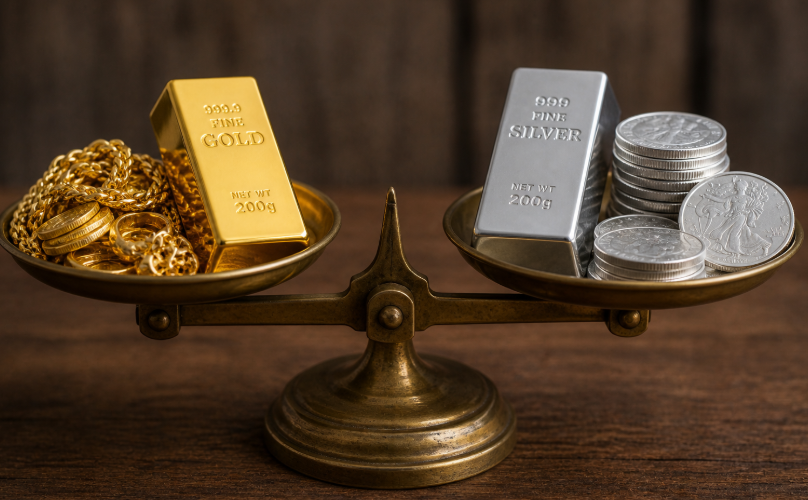
When investors consider whether to sell gold or silver, the decision often goes beyond simple preference. Both metals hold value and attract buyers, yet the ease of selling them can vary depending on market conditions, demand, and liquidity. Therefore, understanding the differences between these two precious metals can help you make more confident and profitable decisions.
At first glance, both gold and silver appear equally tradable. However, when you look deeper, several factors influence how quickly and easily each can be sold. From pricing structures to buyer demand, the process is not always identical. As a result, knowing when and how to sell gold or silver becomes an important part of any investment strategy.
Understanding Market Liquidity and Demand
Liquidity refers to how quickly an asset can be sold without affecting its price. In general, gold tends to have higher liquidity than silver. Because gold is widely recognized as a store of value, it attracts a broader range of buyers, including central banks, institutional investors, and individuals. Therefore, it is often easier to sell gold or silver when gold is involved due to its global demand.
Silver, on the other hand, has both investment and industrial uses. While this dual role can increase demand during certain periods, it can also create price volatility. Consequently, selling silver may require more attention to timing compared to gold. Even though silver markets are active, they are not always as deep as gold markets, which can influence how quickly transactions are completed.
Additionally, the size of the market plays a role. Gold markets are larger and more established, making it easier to find buyers at almost any time. Meanwhile, silver markets can experience fluctuations in demand, especially when industrial activity changes. Because of this, deciding to sell gold or silver often depends on current market conditions.
Price Stability and Volatility Differences
Price behavior is another key factor to consider. Gold is known for its relative stability, especially during economic uncertainty. Investors often turn to gold as a safe haven, which supports consistent demand. Therefore, it is generally easier to sell gold or silver when gold prices remain stable.
In contrast, silver tends to be more volatile. Its price can rise quickly during strong demand but also fall sharply during downturns. This volatility can make selling silver more challenging, as timing becomes critical. However, for investors who understand market trends, this volatility can also create opportunities.
Furthermore, price differences influence accessibility. Gold is more expensive per ounce, which means transactions often involve fewer units. Silver, being more affordable, may require larger quantities to achieve the same value. As a result, the logistics of selling can differ significantly when you sell gold or silver.
Ease of Finding Buyers
Finding a buyer is one of the most practical considerations when deciding whether to sell gold or silver. Gold buyers are widely available, including jewelry stores, pawn shops, and specialized dealers. Because of gold’s universal appeal, sellers rarely struggle to find interested parties.
Silver buyers also exist, but they may be slightly less common in certain areas. Additionally, not all buyers are equally interested in large quantities of silver due to storage and handling considerations. Therefore, while you can still sell gold or silver successfully, gold often has a slight advantage in buyer availability.
Online platforms have also changed the landscape. Today, both gold and silver can be sold through digital marketplaces. However, gold listings tend to attract more attention and faster transactions. This difference highlights how demand influences the ease of selling each metal.
Storage and Transportation Factors
Another aspect that affects selling ease is how the metals are stored and transported. Gold’s high value-to-weight ratio makes it easier to store and transport. A small amount of gold can represent significant value, which simplifies transactions. Therefore, when you sell gold or silver, gold often offers greater convenience.
Silver, by comparison, requires more space due to its lower value per ounce. Large quantities can become bulky and heavier, which may complicate transportation. As a result, selling silver in significant amounts may involve additional logistical considerations.
Moreover, storage costs can influence selling decisions. Investors who hold large amounts of silver may face higher storage expenses over time. This factor can impact when and how they choose to sell gold or silver, especially if they want to reduce holding costs.
Transaction Costs and Spreads
Transaction costs are another important factor to consider. The spread, or the difference between buying and selling prices, tends to be smaller for gold than for silver. This means that sellers often receive a price closer to the market value when they sell gold or silver, particularly with gold.
Silver spreads are typically wider, which can reduce profits when selling. Additionally, transaction fees may vary depending on the method used. For example, selling through dealers may involve commissions, while online platforms may charge listing fees. Therefore, understanding these costs can help you maximize returns.
Taxes may also play a role, depending on your location. Capital gains taxes can affect both gold and silver transactions, but the impact varies based on regulations. As a result, considering tax implications is essential when deciding to sell gold or silver.
Market Timing and Economic Conditions
Economic conditions significantly influence the ease of selling precious metals. During times of uncertainty, demand for gold often increases as investors seek stability. Consequently, it becomes easier to sell gold or silver when gold demand rises.
Silver demand, however, is closely tied to industrial activity. When economies grow, silver demand may increase, making it easier to sell. Conversely, during slowdowns, demand may weaken, affecting liquidity. Therefore, timing plays a crucial role in the decision-making process.
Interest rates, inflation, and currency strength also impact both metals. Investors often adjust their strategies based on these factors, which can influence market activity. Because of this, staying informed about economic trends can improve your ability to sell gold or silver effectively.
Long-Term Investment Considerations
While selling ease is important, long-term investment goals should not be overlooked. Gold is often viewed as a stable store of value, making it a popular choice for preserving wealth. As a result, many investors prioritize gold when planning to sell gold or silver in the future.
Silver, however, offers potential for higher returns due to its volatility. Investors who are comfortable with price swings may find silver attractive. Therefore, the choice between the two metals depends on your risk tolerance and investment strategy.
Diversification is another key consideration. Holding both gold and silver can balance stability and growth potential. This approach allows investors to benefit from the unique characteristics of each metal. Consequently, when the time comes to sell gold or silver, having a diversified portfolio can provide more flexibility.
Practical Tips for Selling Precious Metals
Preparation can make a significant difference when selling precious metals. First, research current market prices to understand the value of your assets. This knowledge helps you negotiate better deals and avoid undervaluation.
Second, choose reputable buyers. Working with trusted dealers or platforms ensures a smoother transaction process. Additionally, comparing offers from multiple buyers can help you secure the best price.
Third, consider the timing of your sale. Monitoring market trends can help you identify favorable conditions. While perfect timing is difficult, informed decisions can improve outcomes when you sell gold or silver.
Finally, keep documentation of your purchases and transactions. This information can be useful for tax purposes and future planning. By staying organized, you can streamline the selling process and reduce potential complications.
Conclusion
Deciding whether to sell gold or silver ultimately depends on your priorities, market conditions, and investment goals. While both metals offer value, gold generally provides greater liquidity, stability, and ease of sale. Its widespread demand and established market make it a reliable option for quick transactions.
However, silver should not be overlooked. Its affordability and industrial demand create unique opportunities, especially during periods of economic growth. Although it may require more careful timing, silver can still be a valuable asset.
In the end, understanding the differences between these metals allows you to make informed decisions. By considering factors such as liquidity, volatility, and transaction costs, you can approach the process with confidence. Whether you choose to sell gold or silver, preparation and knowledge are key to achieving the best results.
FAQ
1. Is gold always easier to sell than silver?
Gold is generally easier to sell due to higher liquidity and broader demand, but market conditions can influence this.
2. Why is silver more volatile than gold?
Silver prices are affected by both investment demand and industrial use, which can lead to greater price fluctuations.
3. Where can I sell precious metals quickly?
You can sell through dealers, pawn shops, or online platforms, depending on your preference and urgency.
4. Does storage affect selling decisions?
Yes, larger quantities of silver may require more storage space, which can impact when you decide to sell.
5. Should I sell both metals at the same time?
Not necessarily, as market conditions and individual goals should guide your decision.